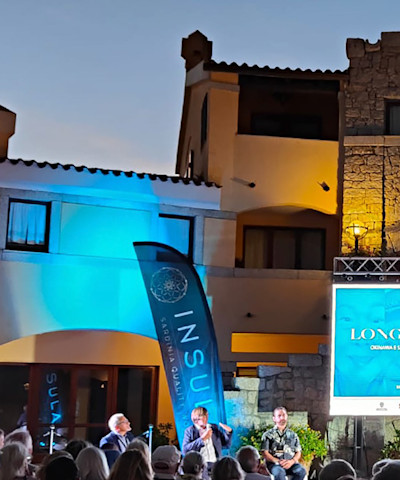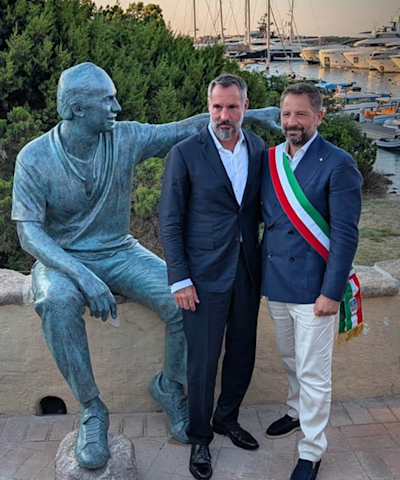



Steve McCurry receives the 2026 Costa Smeralda Longevity Award
The American photographer, who took the famous portrait of the Afghan girl, talks about his relationship with longevity, travel, and photography
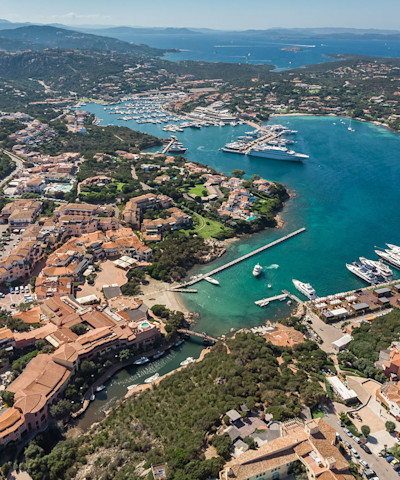
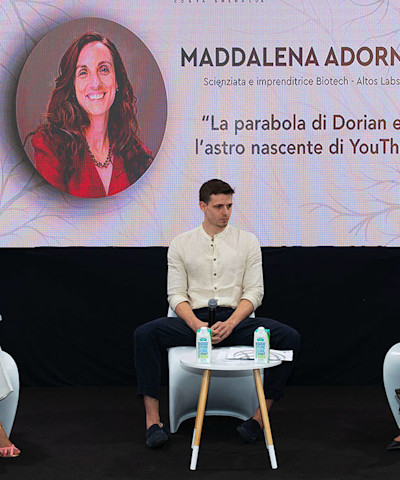
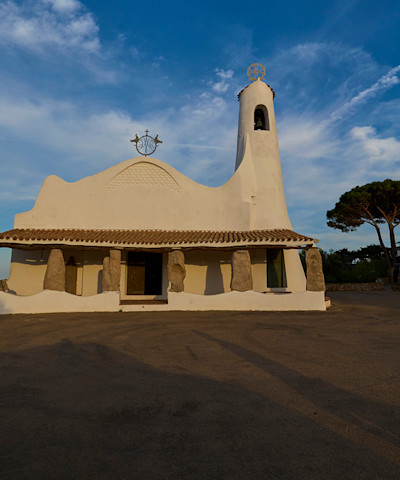
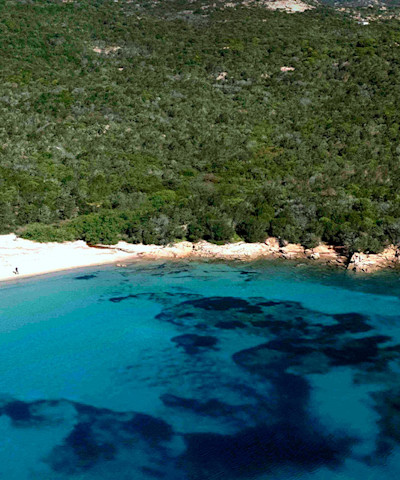
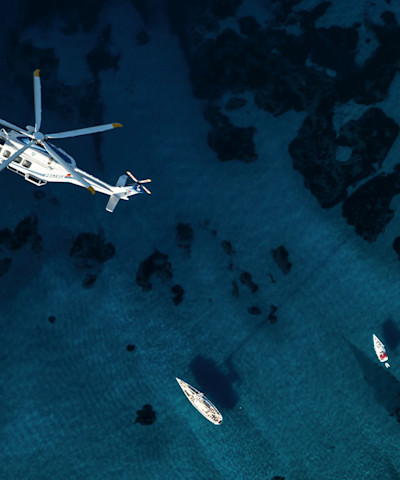
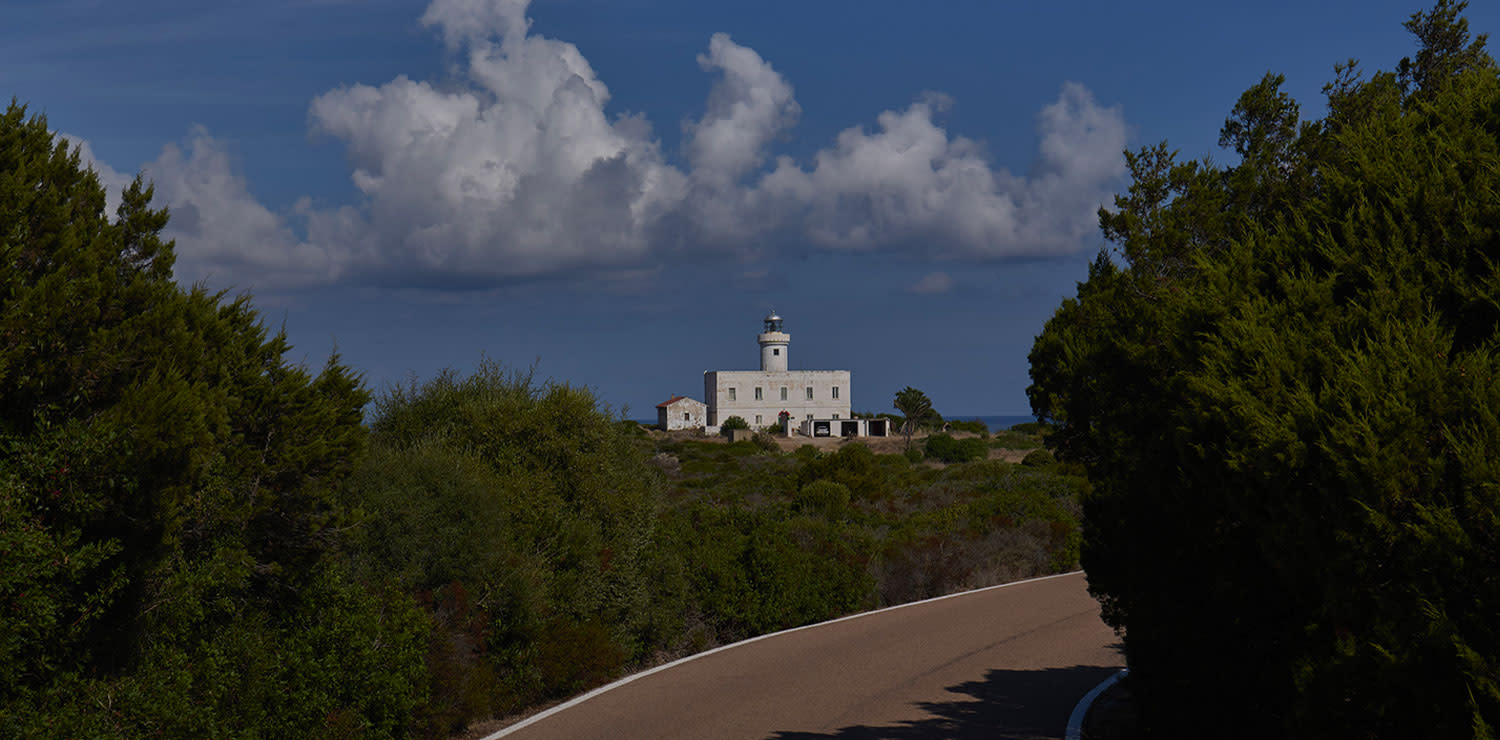
He is one of the most important contemporary photographers and has captured some of the images that have become symbols of our time: the intense green gaze of the Afghan girl he immortalized in his 1984 photo essay published in *National Geographic* has become so famous that whenever Steve McCurry’s name is mentioned, people automatically think of that photograph. Alongside that photograph—which, even today, more than forty years later, continues to captivate—the American photographer has created entire photo essays brimming with pathos, in which the landscapes of India and the faces of its people, as well as those of Asia and the Middle East, blend together in vivid, intense colors that have become the master’s hallmark. He was awarded the Costa Smeralda 2026 Longevity Award, the annual honor that celebrates a figure who has distinguished themselves through consistency, impact, and the ability to leave a lasting mark in their professional field. Born in Philadelphia, United States, in 1950, he has been a member of the Magnum Photos agency since 1985 and is the recipient of numerous photojournalism awards. He arrived in Porto Cervo to accept the award, already with a ticket to India in his pocket and his Laica camera in his backpack, ready to shoot. During the awards ceremony, four previously unpublished photographs that McCurry took at iconic locations in Porto Cervo were also presented, capturing the beauty of the Costa Smeralda: the Capo Ferro Lighthouse, the Capo Ferro headland, the Church of Stella Maris, and the Arch of Cala Romantica.
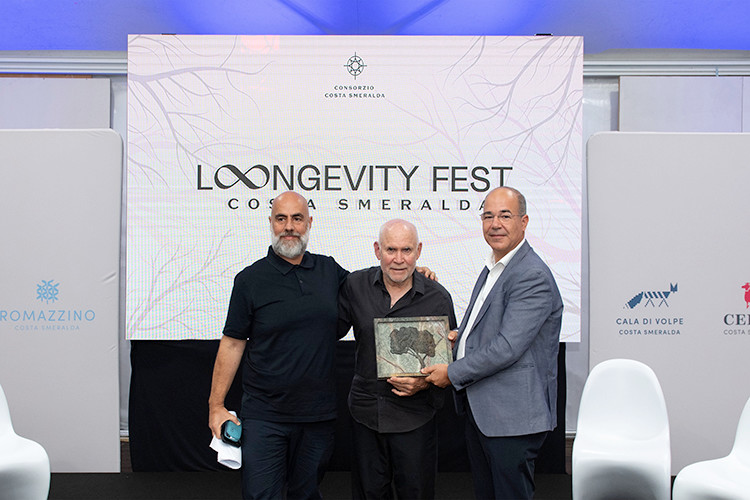 Longevity Fest Costa Smeralda Pietro Mereu, Steve McCurry, Massimo Marcialis direttore generale Consorzio Costa Smeralda 02
What does it mean to you to receive this award here in Porto Cervo, Sardinia?
Receiving this award means a great deal to me, precisely because longevity is close to my heart. Furthermore, the organizers of this festival, the other speakers, and the scheduled events have enriched my life through listening and the exchange of ideas. There are extraordinary individuals—far more brilliant than I am—who have identified incredible solutions to improve and extend our lives in an intelligent way. It is an honor for me to be in this special place and to receive such an award.
Have you had the chance to visit this corner of Sardinia and take part in the Longevity Fest events over the past few days?
Yes, I found everything very interesting, and I think this event is so important because, first and foremost, right here in Sardinia we’re in one of the Blue Zones—one of the places in the world where people live the longest for various reasons: diet, lower stress, climate, lifestyle, and physical activity. So I believe it’s essential to hold the festival here. I also feel I’ve contributed in some way: longevity is a topic of primary importance for people in general. We all want a good quality of life, and we should make choices that can extend it. We can learn valuable lessons from those who live in Sardinia—people who, in many cases, have learned to live long, fulfilling, and enduring lives thanks to various factors. As the years go by—I’m 76 now—I look forward to the next 24, hoping to reach the 100-year milestone.
Let’s talk about your work. You’ve traveled the world and visited India alone more than eighty times, photographing scenes and faces of absolute poverty. How did you manage to draw out so much beauty and vitality from them?
In the places I’ve traveled to in the past—India, Afghanistan, Asia in general, South America, or Africa—people sometimes view these populations with preconceived notions, thinking they’re barely surviving. In reality, if you look a little deeper, you discover that’s not the case at all. Of course, it depends on where you are, but they often have wholesome food and clean air. You have to evaluate each case individually, without generalizing, even if sometimes we stop at first appearances. I’m thinking, for example, of rural India: the farmers there lead a peaceful life; they eat well, have free time, a home, and children; life flows smoothly. Certainly, there are areas in these countries that need real help, while others are doing just fine. It all depends on personal priorities. If the yardstick is money, material wealth, cars, mansions, and luxury, then it’s true: they don’t have what we have. However, they have time, healthy food, and other values. It depends on how you define wealth and poverty. There is a great deal of deprivation in New York City: a lack of space, a lack of imagination, a shortage of healthy food, a lack of sleep, cramped living conditions, and extremely high levels of stress. This is true poverty.
The face and gaze of the Afghan girl you photographed in 1984 have become your most iconic shot. Are you still in touch with her?
Yes, we’ve stayed in touch with her, and we spoke just last week. She now lives in Europe; we helped her relocate, and she arrived in Italy, where the Italian government has been very supportive. My sister and others have worked very hard to help her leave Afghanistan, enabling her children to study and receive adequate health care. Her arrival in Europe has improved her life, particularly that of her daughter, who is receiving an excellent education and may one day become a doctor. Had she remained in Afghanistan, none of this would ever have been possible.