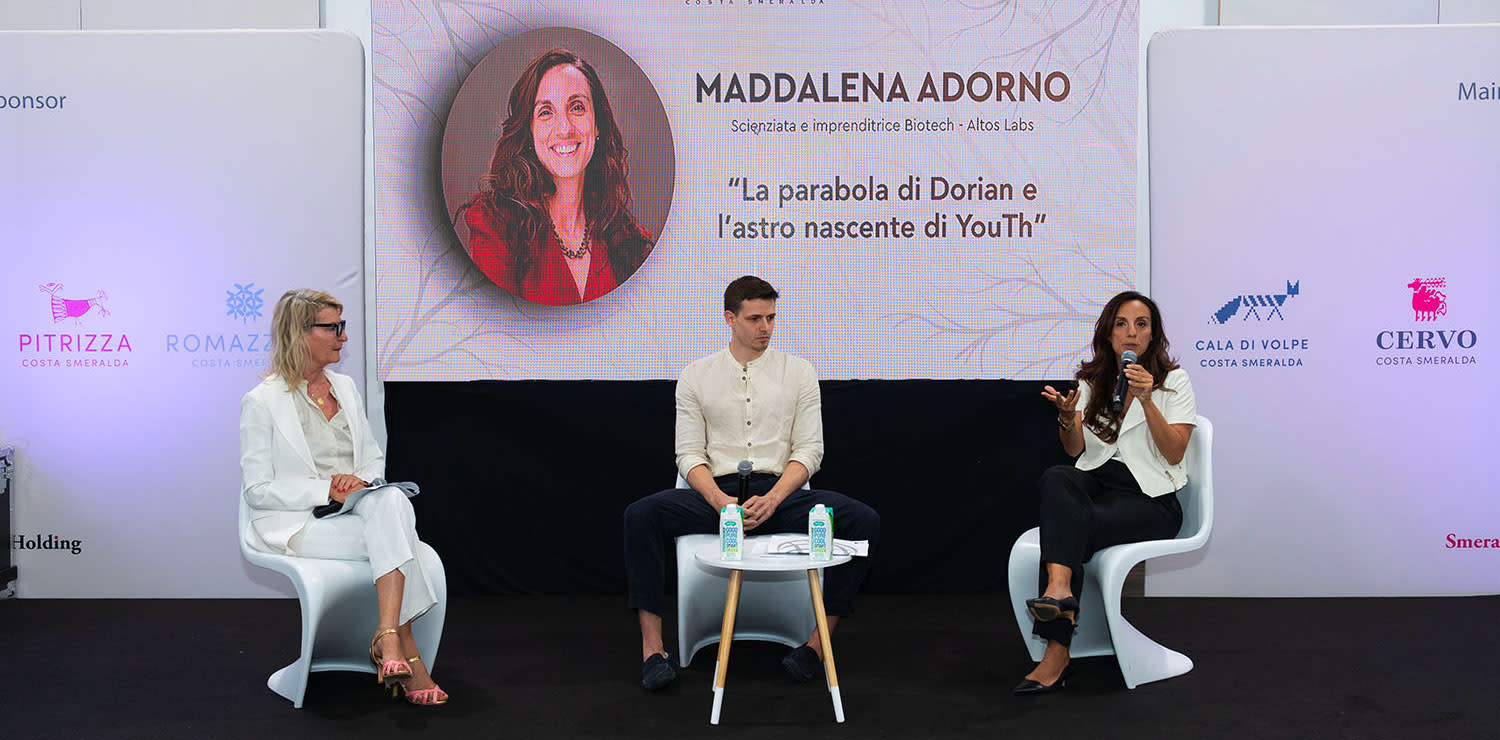



Maddalena Adorno, the Italian scientist in Silicon Valley who studies longevity
The researcher, who has been in the United States for twenty years, discusses the new frontiers of aging research, from senescent cells to cellular reprogramming
She is Italian, but she arrived at the Longevity Weeks events in Porto Cervo directly from Silicon Valley: Maddalena Adorno, 43, a scientist and researcher with twenty years of study in the United States, specializing in longevity, aging, senescence, and stem cells—and a pioneer of senoblocker technology—brought her wealth of scientific and entrepreneurial knowledge to the Longevity Fest Costa Smeralda. She is the one who discovered that our cells contain a rejuvenation program that can be reactivated. This technology has enormous therapeutic potential.
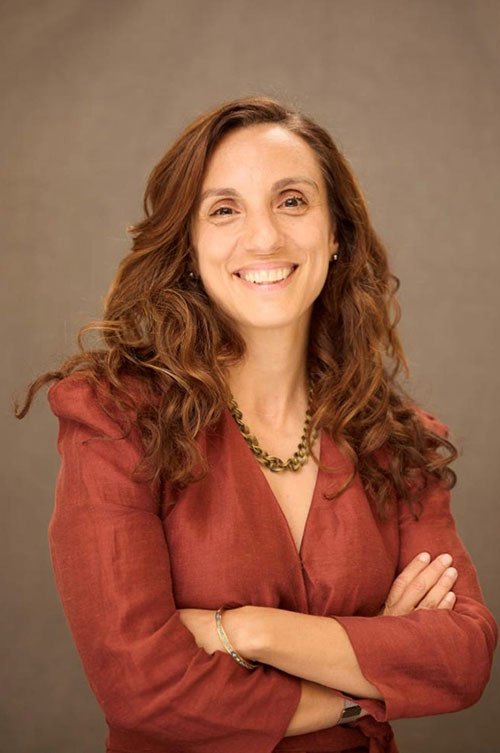 maddalena Adorno
You’ve made the study of longevity your career and the search for the elixir of life your mission: has science made any progress on this front?
I’m from Silicon Valley, which is where this sector was born precisely because it’s the place where dreams become reality, where science fiction becomes science. Over the past 20 years, science has changed dramatically, and we’ve truly been able to make real progress. First and foremost, we must recognize that aging is not a disease, whereas when we think of a drug, we typically think of treating a disease. So, how to bring aging and drugs together is a paradigm that has yet to be defined. The second thing to keep in mind is that even when we talk about drugs, the journey from “bench to clinic”—that is, from the laboratory to the patient—takes 20 years, and we haven’t yet had a full 20 years to complete this journey. So we’re still halfway there. However, there are some interesting approaches currently in development, and some of these have recently entered clinical trials—that is, testing on patients. We’ll see the results over the next 10 years. For now, science has confirmed what our grandparents told us: eat well, sleep well, nurture social relationships, and stay physically active.
Have scientific studies, in fact, drawn heavily on the advice of older adults?
Let’s just say that what we’ve come to understand is also what it means to eat well and what it means to exercise. For example, 10 years ago it was unthinkable to tell a woman to lift weights; now we know how important weight training—and other muscle-building activities—is for preventing sarcopenia during premenopause, perimenopause, and postmenopause.
What advice would you give to those seeking to pursue longevity?
The advice is very simple and has been repeated many times: eat well, sleep well, lead an active life and spend as much time as possible outdoors in contact with nature, get a good night’s sleep, and maintain healthy social relationships. It all sounds very simple, but managing to do all these things can be quite complex these days.
Of the studies recently published in “Clinical Trial,” which ones offer the most hope?
There are several completely innovative areas currently being researched. One is the field of senolytics—drugs that selectively kill senescent cells, which are these “zombie” cells that accumulate in the body as we age. They accumulate partly because we produce more of them, and partly because our immune system is unable to get rid of them. Just last year, a drug based on senolytic activity for skin diseases entered clinical trials and is now showing initial results. We’re just getting started, but the research is moving forward. The other study involves the reprogramming factors approach that David Sinclair has been researching. In June, the first patients enrolled in a clinical trial for glaucoma in New York, using this mechanism of action to rejuvenate optic nerve cells. These are two examples of developments that have taken place over the past twelve months and are making a huge difference.