text Antonella Brianda



Discovering the most authentic Sardinia
Ancient villages, granite mountains and legends in the green heart of the Island
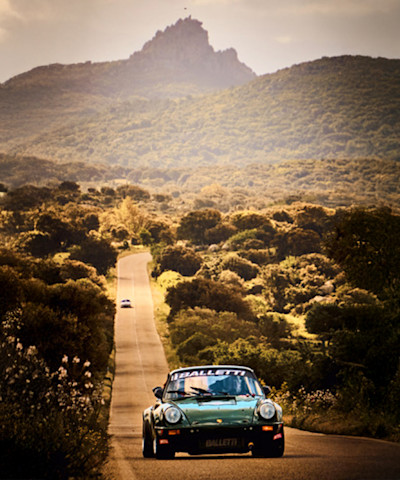
It is a journey of fascinating curves nestled in greenery, surrounded by granite mountains and hypnotized by the constant chirping that rises from the cork oak woodlands and Mediterranean scrub until late evening, when the sun sets and gifts unique shades of color. Crossing Gallura, starting from its northeastern coast, is a discovery that must be made if one wants to get to know one of the island’s most authentic parts. A treasure trove of culture and traditions that have remained unchanged over the centuries, the Gallura region stretches from the coast rich in coves and inlets to the summit of Mount Limbara. In just a few hours by car, one can go from white sandy beaches to lush coniferous forests and rejuvenating water springs. A must-stop along the route leading to Upper Gallura is Luogosanto, a small town populated by less than two thousand souls, but which houses within its area twenty churches and sanctuaries, an hermitage founded in the early Christian era and a castle, that of Balaiana.
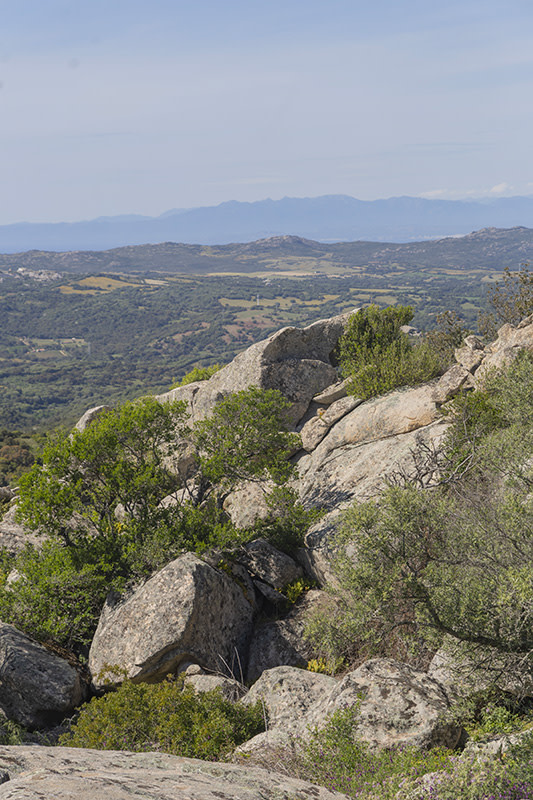 Luogosanto
The name itself Locusantu, in the local dialect, evokes the strong spirituality that can be felt here. Standing here, in fact, is the church of Our Lady of Luogosanto, which has been granted the title of minor basilica by Pope Honorius III. A pilgrimage destination for thousands of faithful from all over the island and beyond, the church features a massive bronze portal that is opened every seven years. The journey continues, and along the way another stop is the town of Sant’Antonio di Gallura. Small buildings with white granite facades and balconies adorned with true works of wrought iron art characterize the town where everything speaks Gallurese, from the signs of the small grocery stores to the those wishing ‘A vedecci Sani’, literally a farewell wishing good health upon visitors. Heir to an ancient Roman castrum, Sant’Antonio still preserves the high medieval village that was located at the foot of the Lu Naracu Belvedere, today the highest point of the town from which one can admire views ranging from Mount Limbara to the sea of Arzachena. It is known all over the world and like all rare and precious things, it manages to attract thousands of people who, along with scholars, come to see the S’Ozzastru di Santu Baltulu di Carana, a millenary olive tree, as ancient as the Nuraghi, which grows in the area of the town of Luras, near Lake Liscia. Standing 14 meters tall and 20 meters wide, with a leafy coverage of 600 square meters, this wild olive tree is estimated to be between 3,000 and 4,000 years old: it is probably the oldest tree in Italy.
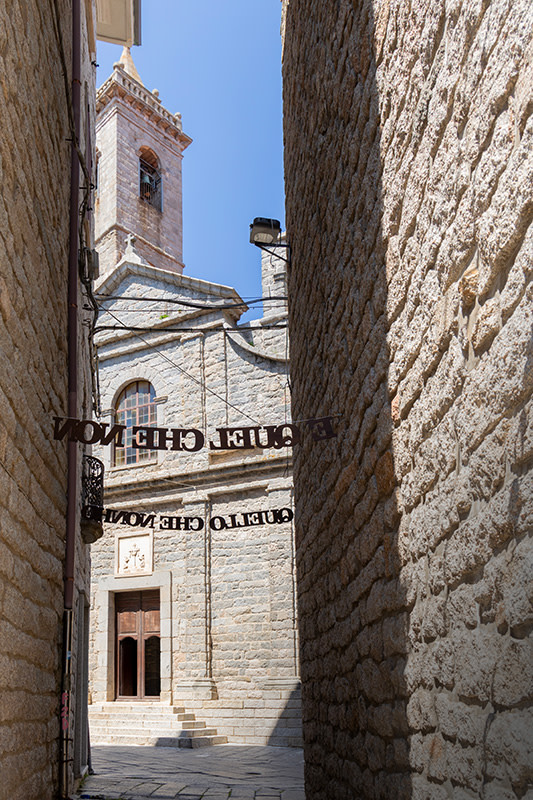 Tempio Pausania
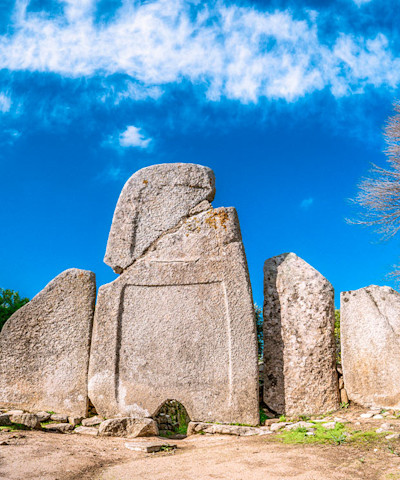
Visiting it and resting under its canopy is an experience worth having, for it is capable of restoring breath to the right rhythm and calming the mind. Granitic boulders emerge from the ground as if they were mushrooms growing in a valley after an autumn rain. Rocky ridges provide a striking and unexpected skyline: we are continuing our ascent towards Gallura’s mountainous centers and we are in the area of Aggius, in a valley known as Li Parisi and also with the more dreamlike name of Valley of the Moon (not to be confused with the valley by the same name near Santa Teresa), which contains evidence and findings of megalithic circles dating back to between 4,500 and 3,000 B.C. The Maestrale wind, the incessant wear of the rocks from the rains, and the work of the sun have created true works of art. Just like the town of Aggius, further up the valley, which seems straight out of an old painting. Here time seems to have stopped, and the old towns’ granite houses appear to want to tell stories of outlaws who found refuge here, along with legends of fairies and witches. A museum devoted to banditry and another ethnographic one testify to these traditions and beliefs, transporting the visitor to a magical place. Awarded with the Italian Touring Club’s Orange Flag, Aggius must be visited and experienced if one wishes to fully understand the essence of Gallura.
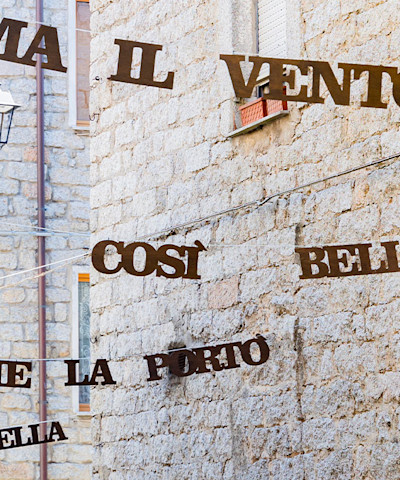
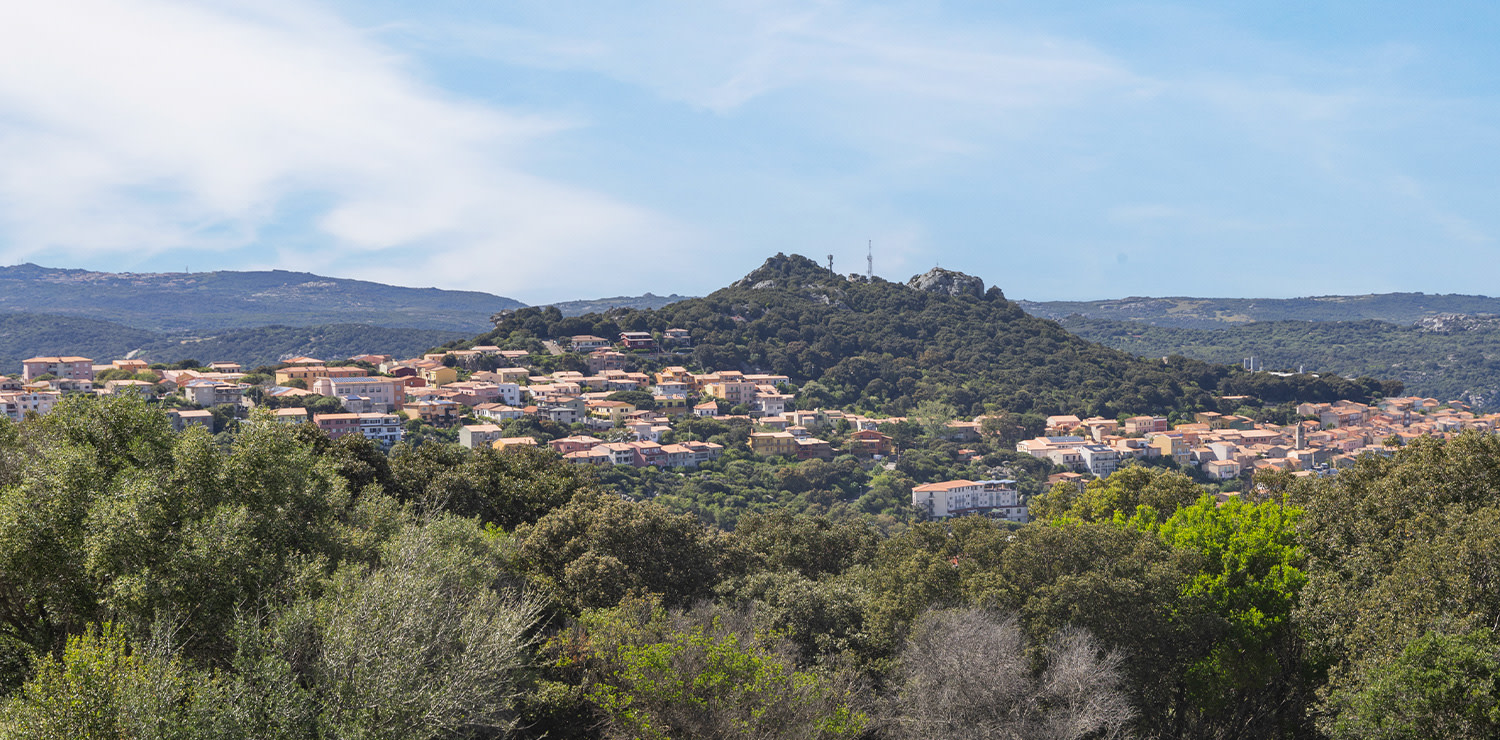
In less than a ten-minute drive from here, you’ll reach Tempio Pausania, the honorary capital of Gallura, a town chosen by the famous singer-songwriter Fabrizio De André, who spent part of his life here and whose presence can be felt in every street of the old town, adorned with phrases from his famous songs.