








text by Francesca Lombardi



Adriana Cavarero and the Sirens’ Call
The philosopher shares her reinterpretation of the Homeric myth, which places the female voice, the body and the power of enchantment at its heart
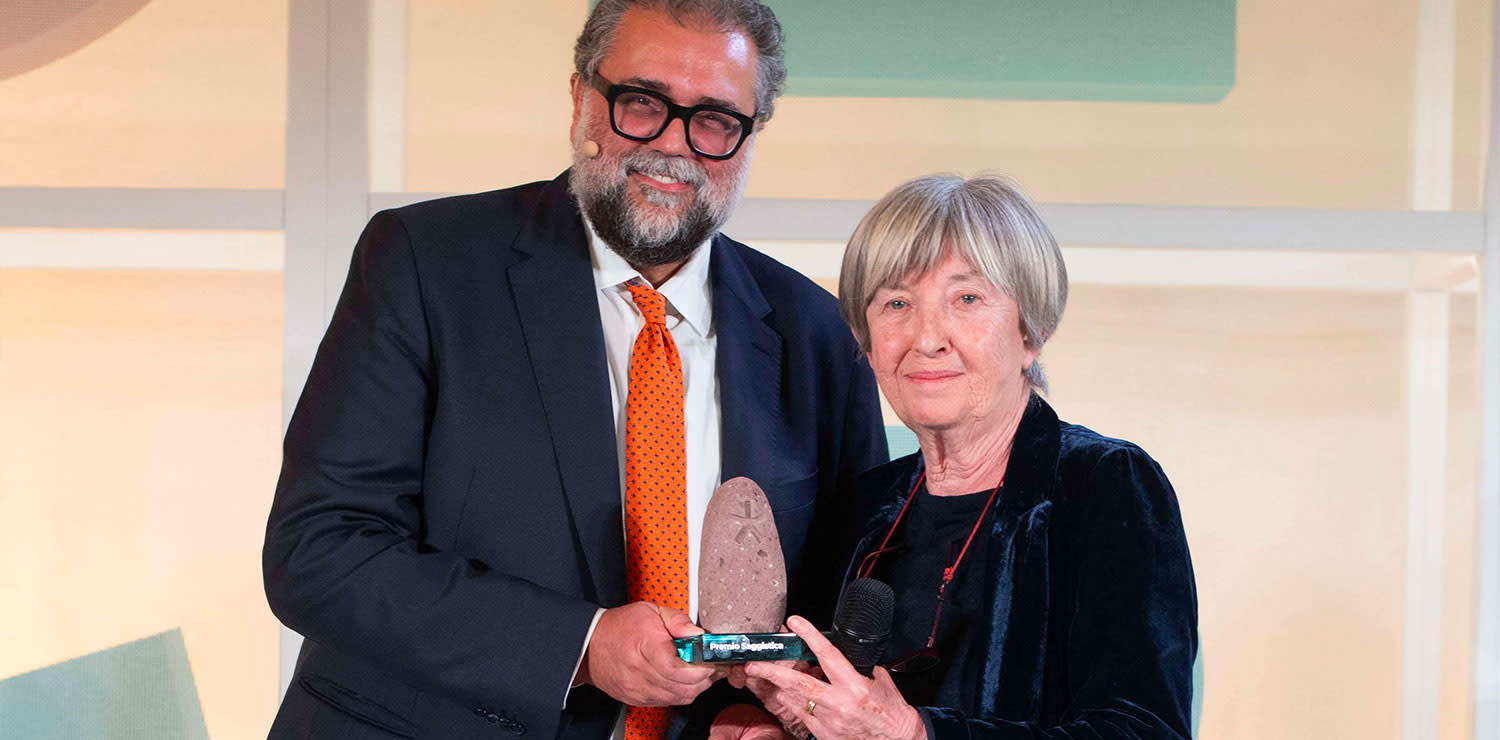
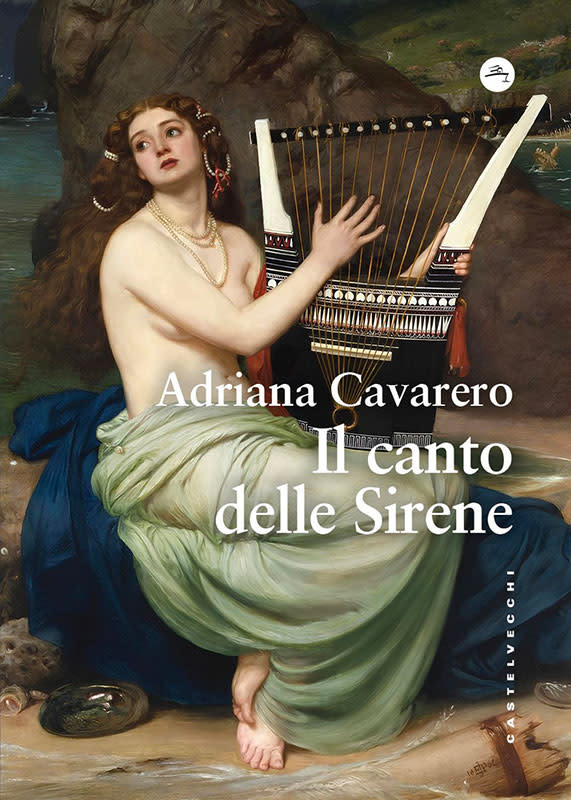
One of the most authoritative figures in contemporary philosophical thought, Adriana Cavarero has placed the voice, the body, and relationships at the centre of her research. With The Song of the Sirens, winner of the Premio Costa Smeralda® 2026 for Nonfiction, she explores one of the most famous episodes of the Odyssey, shifting the focus from the hero Ulysses to the Sirens and transforming the myth into a reflection on the power of song and listening.
 Adriana Cavarero
 Professor Cavarero, what impelled you to reinterpret the myth of Ulysses and the Sirens?
It’s an immortal myth, retold through the ages down to Walt Disney and beyond. I was interested in questioning the centrality of Ulysses, the hero-listener who enjoys the song without dying from it, and shifting the focus to the pleasure of singing itself. Inspired by Eliot, I tried to reverse the plot: the Sirens don’t sing for Ulysses, but to each other, for the collective pleasure of singing a narrative song in a honeyed voice. It was an age of oral culture, in which storytelling and singing were inseparable.
In the book, the voice is presence, relationship. How does singing rethink the word, the body, and the feminine?
Like the Muse, the Sirens are female figures. Singing is voice and breath, it comes from the body, which since ancient Greece has been thought of as feminine. It’s a stereotype, certainly, but it holds an interesting meaning. The art of singing stories, as ancient weavers did at the loom, blends voice, narration, music, and rhythmic gesture. The Sirens sing in chorus, each with her own unique voice, in tune with that of the others: choral performance becomes a relationship within plurality.
How important is it that philosophy also reaches a young audience?
It’s easier through a myth. Myths speak through images and symbols, appealing to those who still have imagination and invention, qualities that are very much alive in youth. The myth of the Sirens has spanned centuries and millennia, continually retold, adapted and turned upside down. I’ve also told it in my own way, through Adorno, Kafka and Brecht, toward the celebration of pleasure in singing in tune with the music of the world.
Did receiving the Premio Costa Smeralda® in a place so deeply connected with the sea add a special significance?
I don’t know if the Sirens ever existed, but after seeing this sea, I think their home could have been precisely this: a place of incomparable beauty, of harmony between sky, earth, and water. The myth speaks of calm seas and the noonday hour, of a landscape that is also enchanting. And it’s no coincidence that the word ‘enchantment’ contains ‘chant’, or song. The voice that enchants comes from the Mediterranean magic of a place made to make it resonate.