text Antonella Brianda



Discovering the Caprera Canyon: the blue heart of biodiversity in the Mediterranean Sea
An underwater paradise protected by One Ocean Foundation and the scientific community
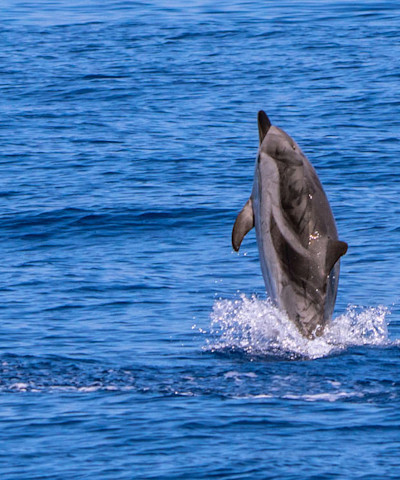
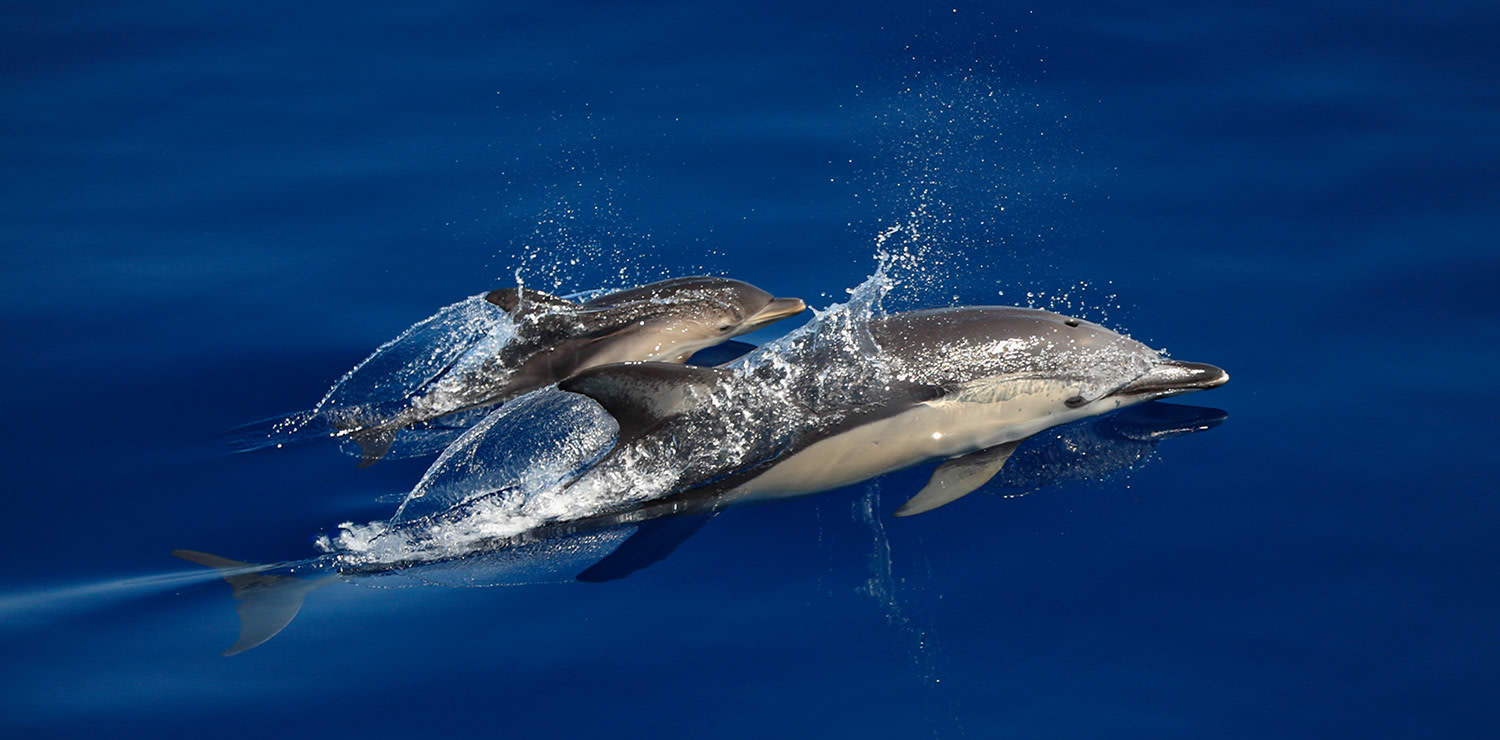
Thirty nautical miles from the lighthouse of Capo Ferro in Porto Cervo, off the north-eastern coast of Sardinia in the La Maddalena archipelago, there is one of the most fascinating underwater sites in the Mediterranean: the Caprera Canyon. With altitudes ranging from two hundred metres of the canyon to about 1500 metres of the plain of Olbia with escarpments, valleys, mountain ranges and very steep walls, the underwater Caprera Canyon is home to as many as seven different species of cetaceans out of the eight found in the Mediterranean basin: sperm whales, fin whales, dolphins, striped dolphins, bottlenose dolphins, goose-beaked whales and Risso dolphins. All these beautiful aquatic animals inhabit the depths of the canyon. And it is here that they choose to reproduce and raise their calves. Bordering the Pelagos Sanctuary, the canyon is a stretch of sea included in the migratory routes of these large marine mammals. But these impressive and fascinating cetaceans are not the only animals found here. In this area, researchers and biologists have also spotted turtles, sunfish, some species of shark, and even the monk seal. Because of its shape and characteristics, it is considered a very important site for biodiversity.
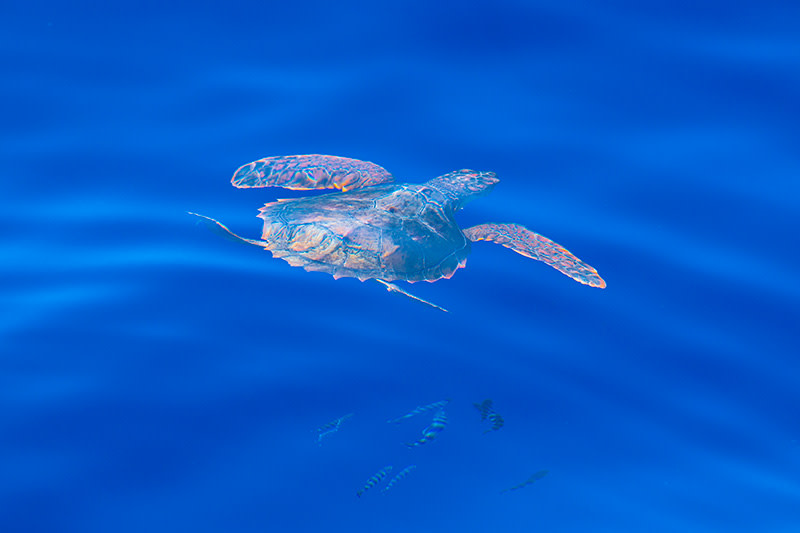 Caretta caretta, One Ocean Foundation
Marine currents facilitate the ascent of cold water flows from the depths, very rich in oxygen and nutrients. These specific currents replace the old water depleted of resources and create the ideal conditions to attract biodiversity, including many species of cetaceans. In March last year, the Caprera canyon was included in the global network of Hope Spots overseen by the worldwide Mission Blue organisation for the protection of marine biodiversity, established by the famous oceanographer Sylvia Earle. The announcement came from One Ocean Foundation, a non-profit organisation active at international level in the field of ocean conservation. This result was made possible also thanks to the innovative interdisciplinary and non-invasive approach carried out by the non-profit organisation, which includes visual investigation, acoustic monitoring and analysis of environmental DNA. Thanks to these tests, biologists were able to confirm for the first time the return of the monk seal in this area. Consequently, the canyon became part of the more than one hundred and forty Hope Spots in the world, the second in Italy. Since 2019, One Ocean Foundation has been involved in carrying out scientific research projects in the area with the support of research funds and universities with the aim to collect scientific data on cetaceans and the dangers of pollution. This constant monitoring activity is making it possible to raise the level of protection of marine biodiversity in the canyon and will contribute to the conservation of key marine species in the Mediterranean.